Episode BG20. Koprinka Reservoir and the Thracian City of Seuthopolis
Hello, Bulgaria! 🇧🇬
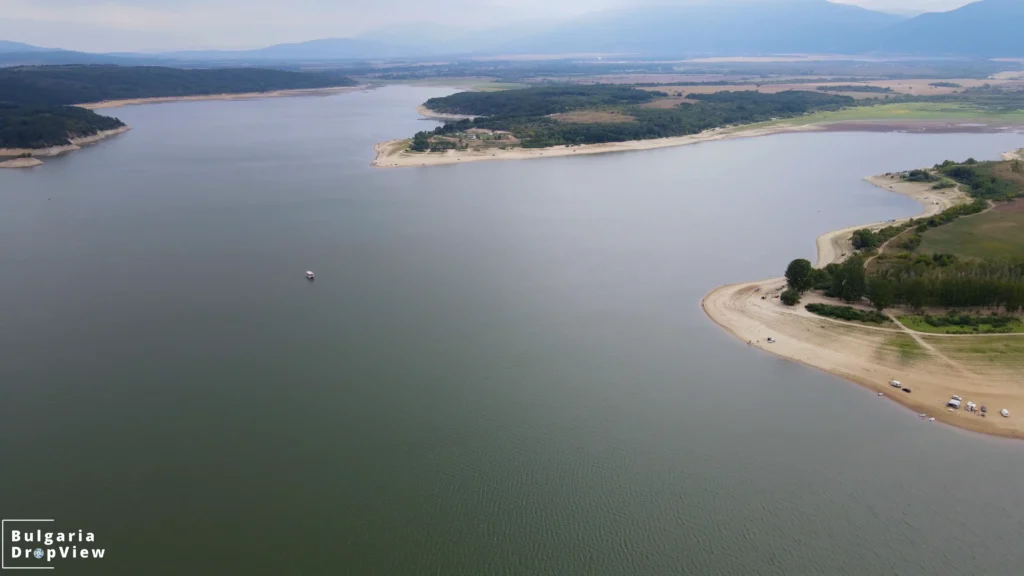
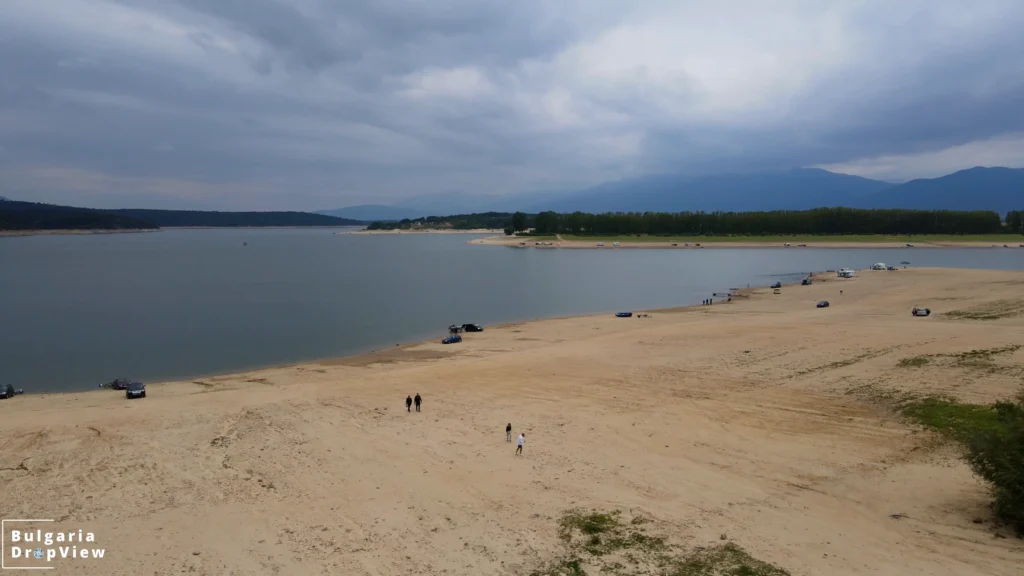
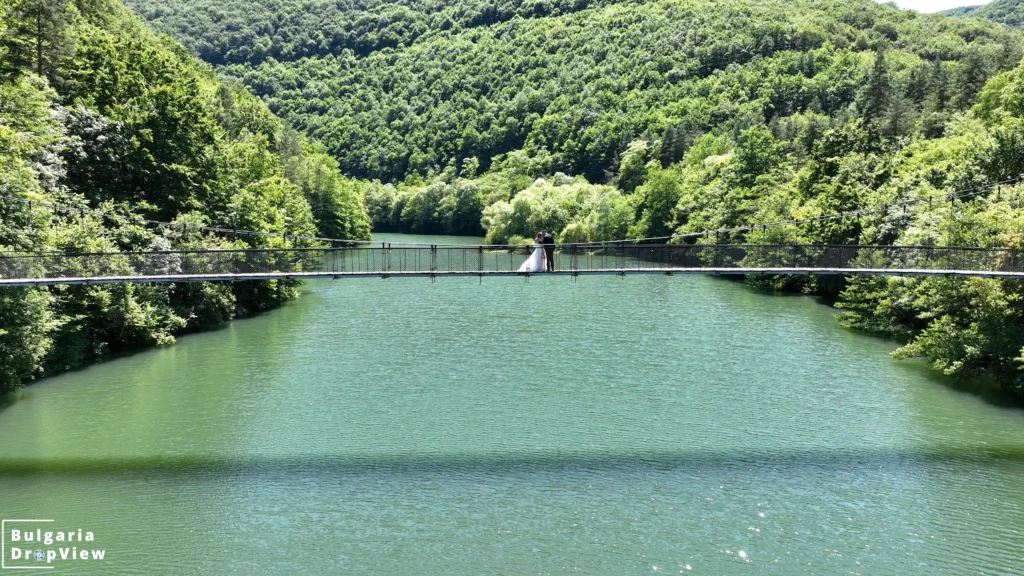
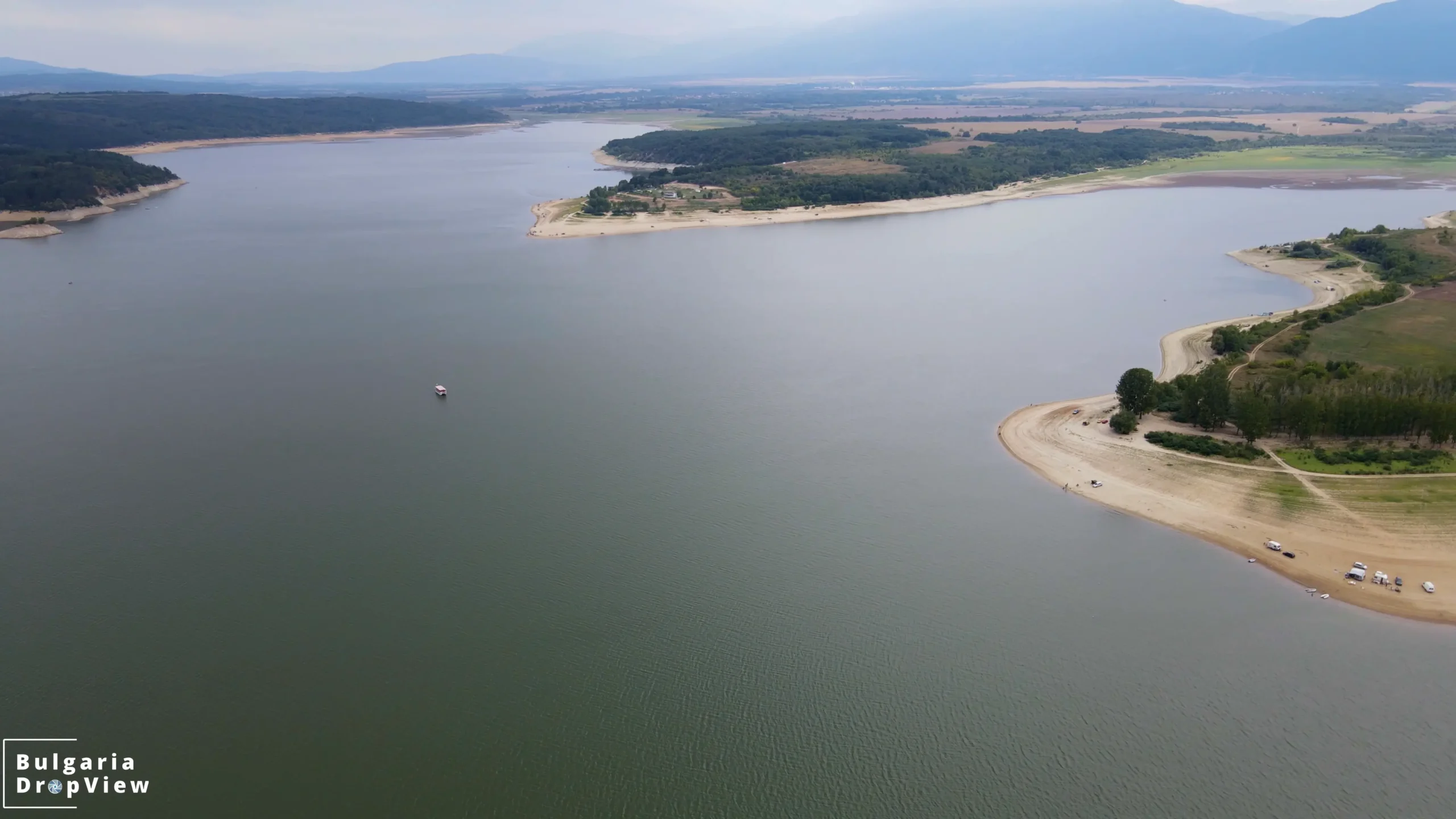
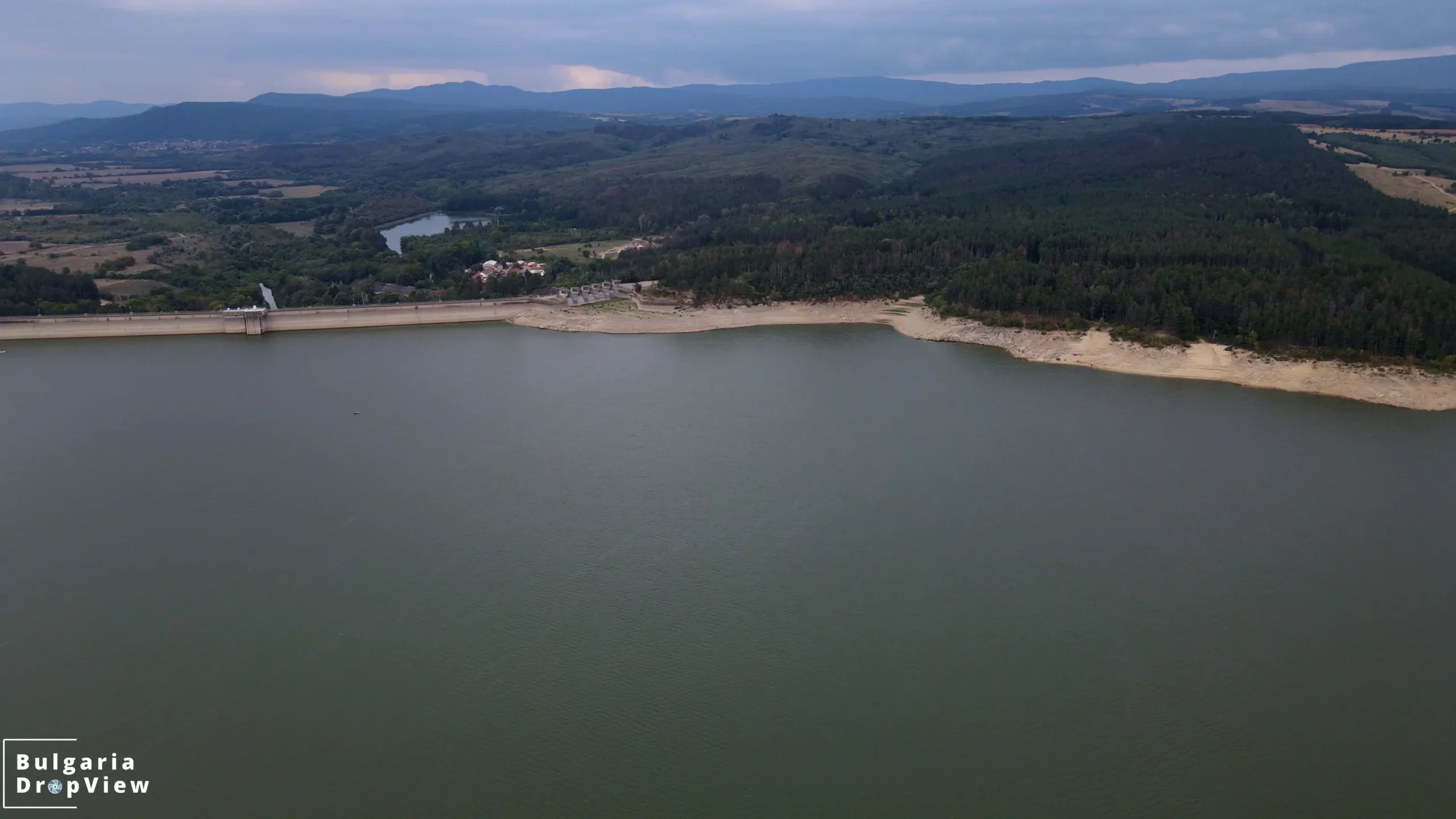
Koprinka Dam is one of the most picturesque reservoirs in Bulgaria, located at the foot of the Balkan Mountains, only 7 kilometers from Kazanlak. Under its smooth water surface, however, lies something unique – the submerged Thracian city of Seutopolis. Founded by King Seuthes III in the 4th century BC, it was a planned city with a forum, palace, temples and streets – the first open Thracian city with such a structure. Although it cannot be seen today, its legend continues to excite scholars and travelers.
💡 Other interesting places nearby:
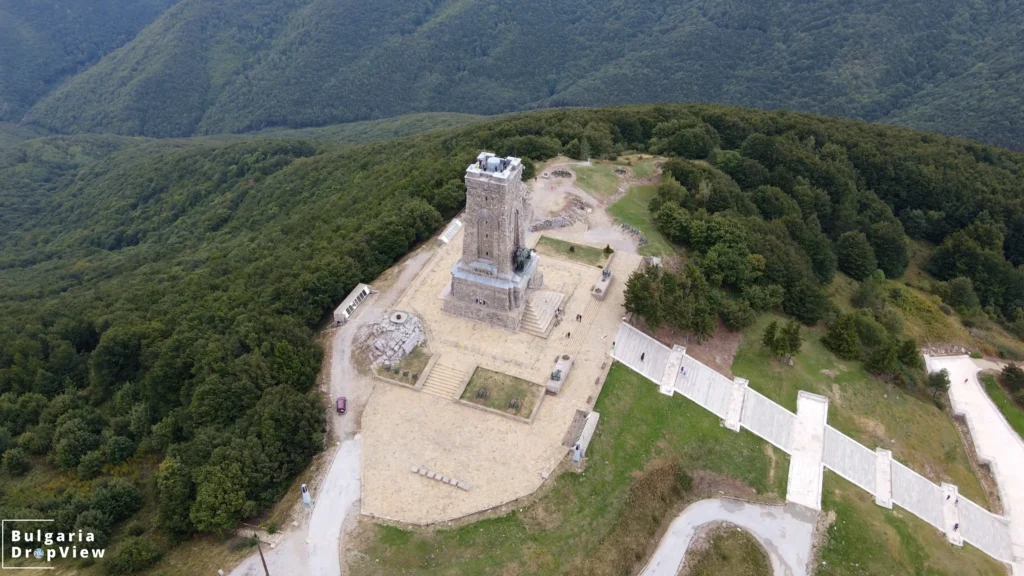
BG14. Shipka Memorial – Monument of Freedom
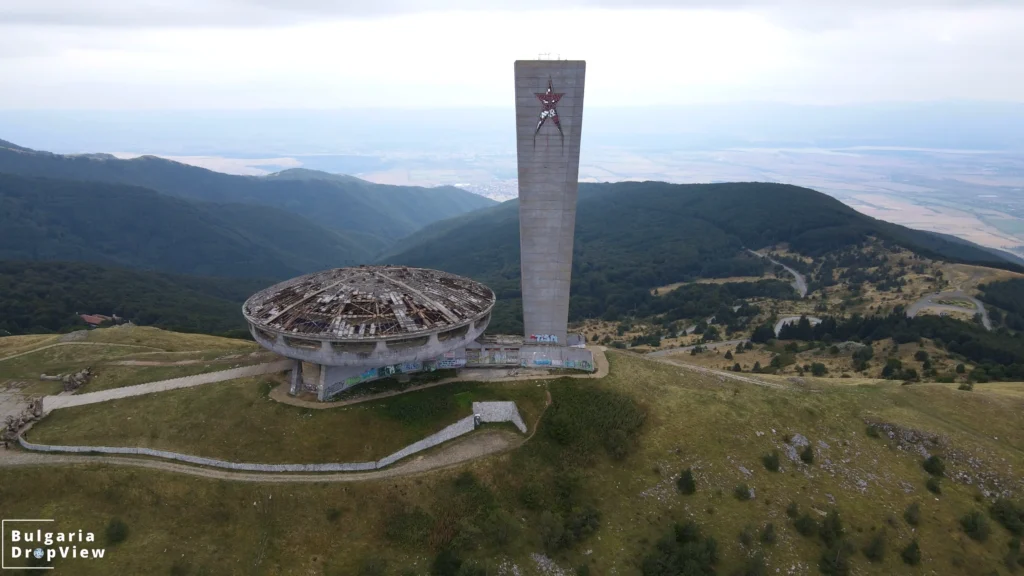
BG15. Buzludzha Monument – The Former House of the Bulgarian Communist Party
BG52. Megalith above Buzovgrad and the Gateway of the Mother Goddess to the BEYOND!
BG55. Memorial Church “Nativity of Christ” – GUARDING the Bones of the Fallen at Shipka
BG60. The Rose Festival Reveals the MAGIC of the Bulgarian Rose and Rose Oil
👉 References to other episodes:
None
📌 What will we look at in this article?
📝 Episode Summary
🔥 The most interesting moments
⭐ Location assessment
✅ Final conclusion
📝 Brief summary of the episode
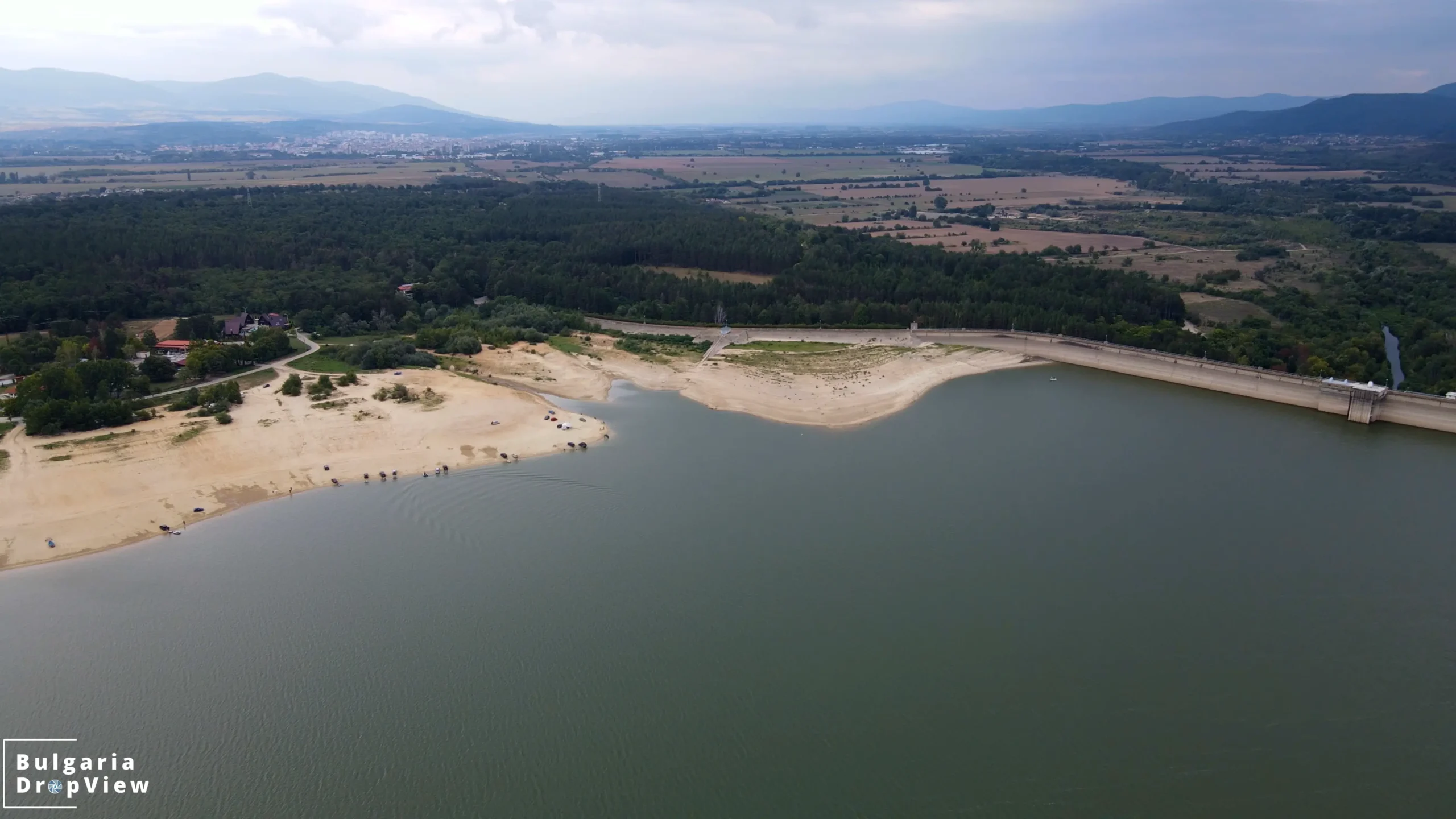
The dam was built between 1944 and 1955 on the site of an ancient Thracian settlement discovered during the construction of the wall. Archaeologists documented the unique cultural heritage, but despite attempts at preservation, Seutopolis was flooded. Today it remains sealed in the depths of Koprinka – like a time capsule. The dam has a volume of about 140 million cubic meters, is used for irrigation and is a popular destination for fishing and recreation, with views of the massifs of the Central Balkan Mountains.
🔥 What will you see in this episode?
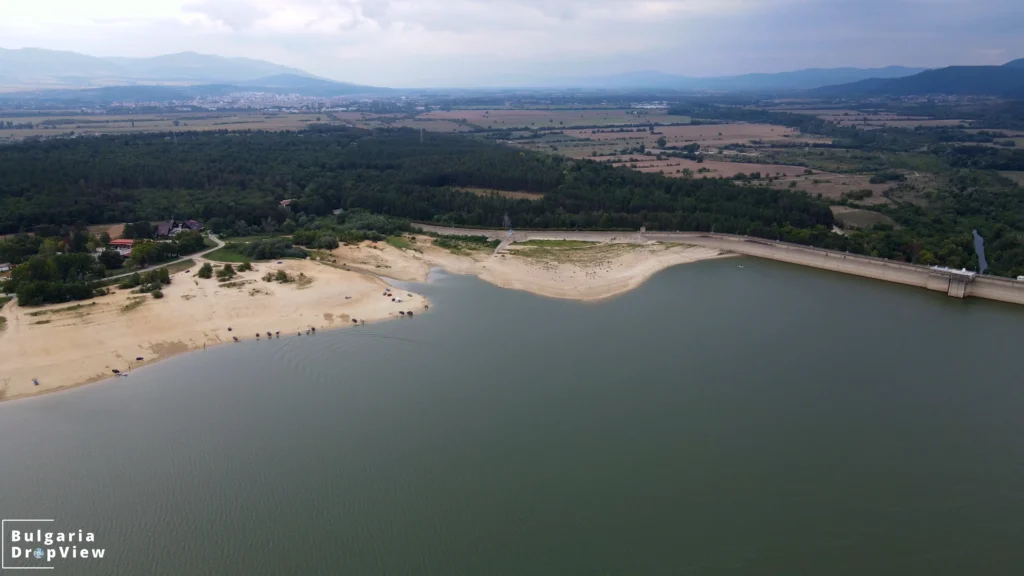
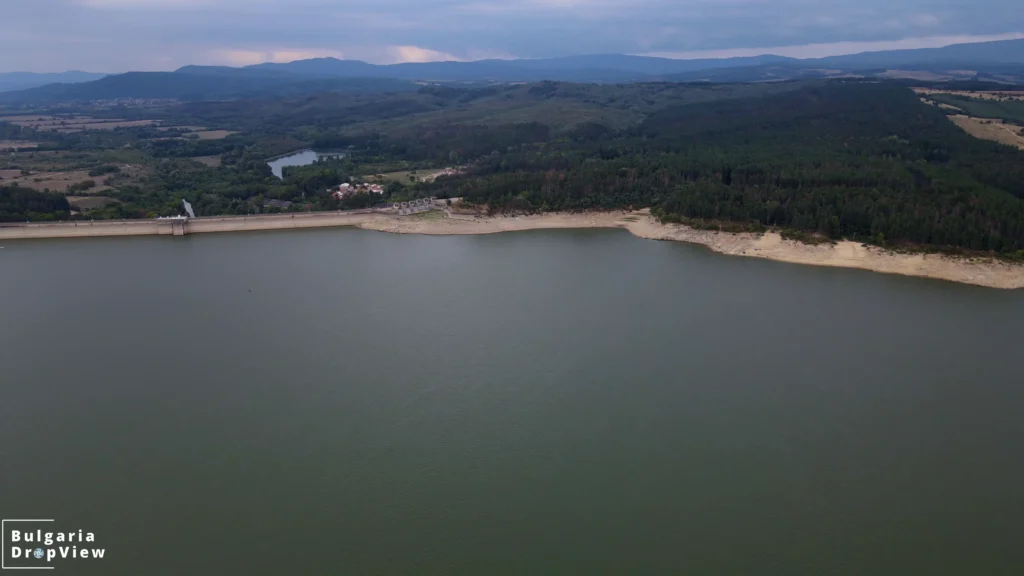
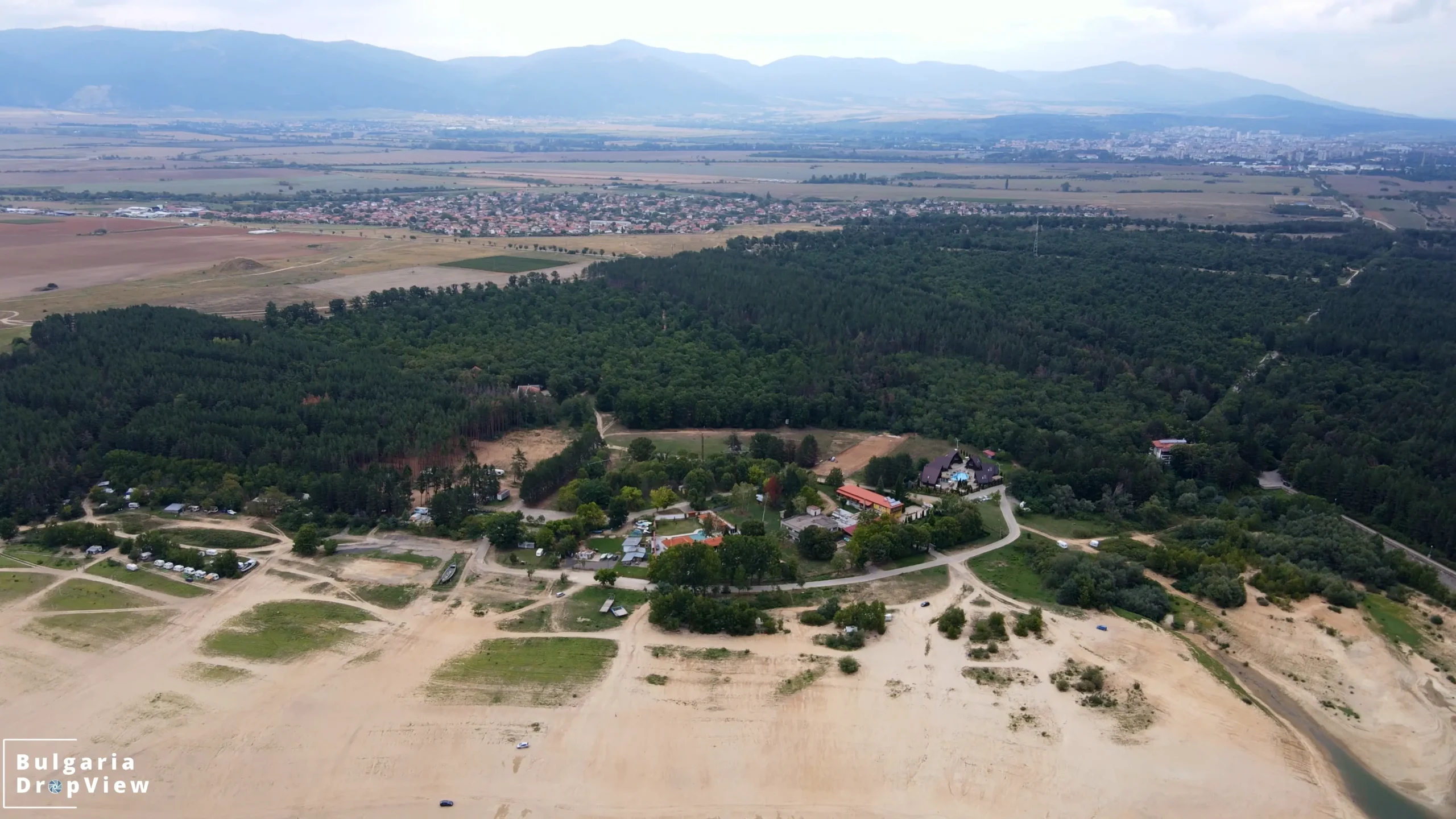
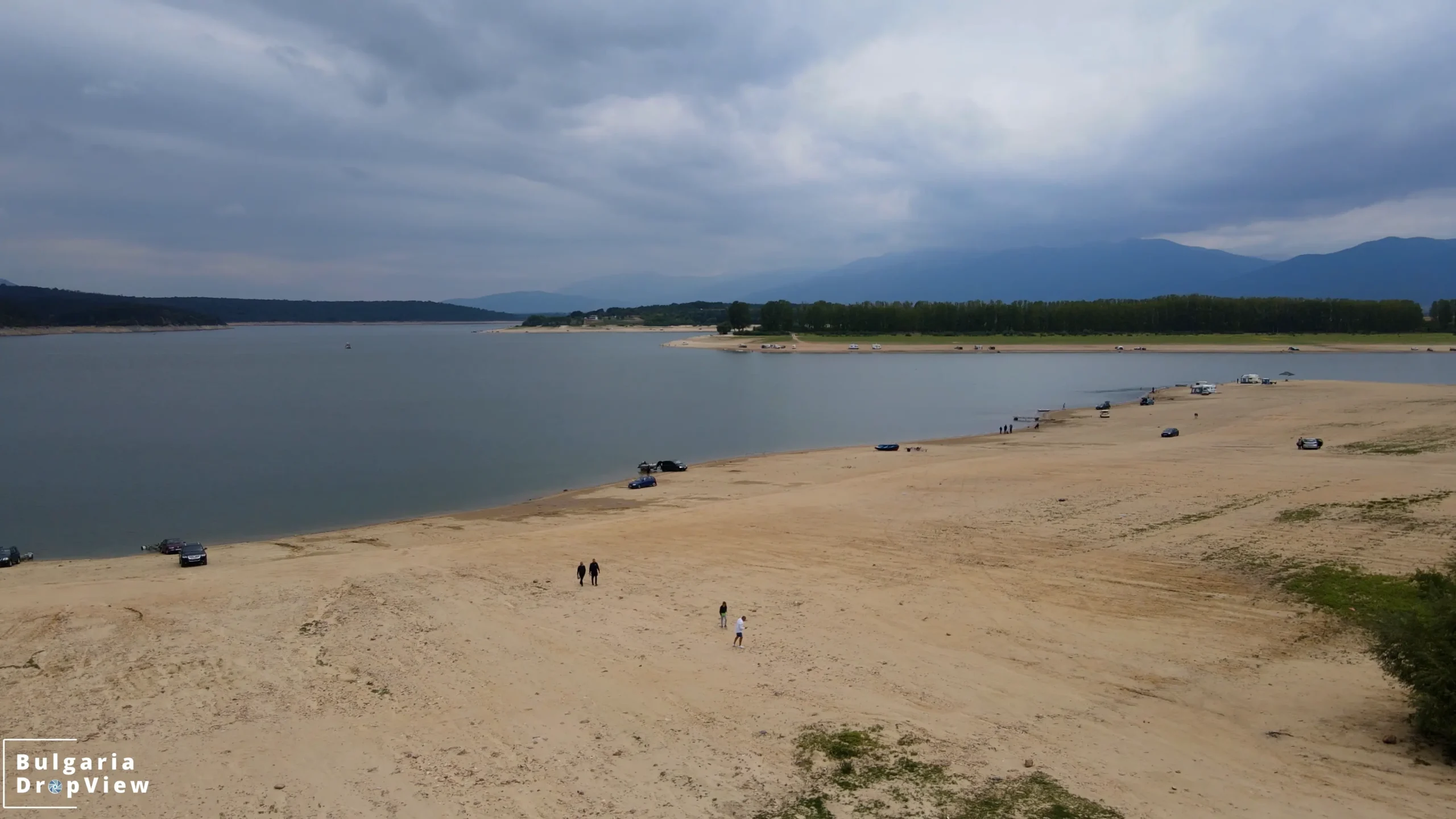
We will head to a seemingly peaceful water mirror that hides the secrets of the Thracian past. We’ll peer at the dam wall, look down on the lines of the shore from high above, and the camera will pan to where the forum of Seutopolis used to be – now submerged under dozens of metres of water. The serenity of the dam contrasts with the drama of the lost city, and drone views combine the present with the past in a silent symphony.
Koprinka Dam is one of the most iconic reservoirs in the Kazanlak region, nestled at the foot of the Balkan Mountains and fed by the Tundja River. In this episode, the focus falls on the impressive dam and the landscapes that unfold around it. The historical thread refers to the submerged Thracian city of Seutopolis, the capital of King Seuthes III, discovered during the construction of the dam. Data from the excavations carried out by BAS outline an extremely well-planned ancient settlement with a public area, temples and fortifications. The space around the dam combines natural beauty with a sense of invisible cultural heritage left deep underwater.
⭐ Location assessment
The assessment is entirely based on my personal impression and is made according to several main criteria considered separately. I use a 5-point scale where (1/5 – Very bad, 2/5 – Bad, 3/5 – Average, 4/5 – Good, 5/5 – Excellent)
| Criterion | Personal impression | Rating |
|---|---|---|
| Accessibility 🚗 |
The dam is accessible directly by car, and there are plenty of places to stop along the shore, especially on the wall and the western side. There is no need to hike. | ★★★★★ |
| History 📜 |
Under the waters of the dam lie the ruins of Seutopolis – the capital of the Thracian ruler Seuthes III. This is the only known planned city of the Thracians with a clearly formed palace, temples and forum. | ★★★★★ |
| Condition 🛠️ |
Although the area is actively used for fishing and tourism, there is a lack of overall management. There are traces of pollution and frequent releases of the reservoir, which expose unpleasant areas on the shore. | ★★★☆☆ |
| Conveniences 🚻 |
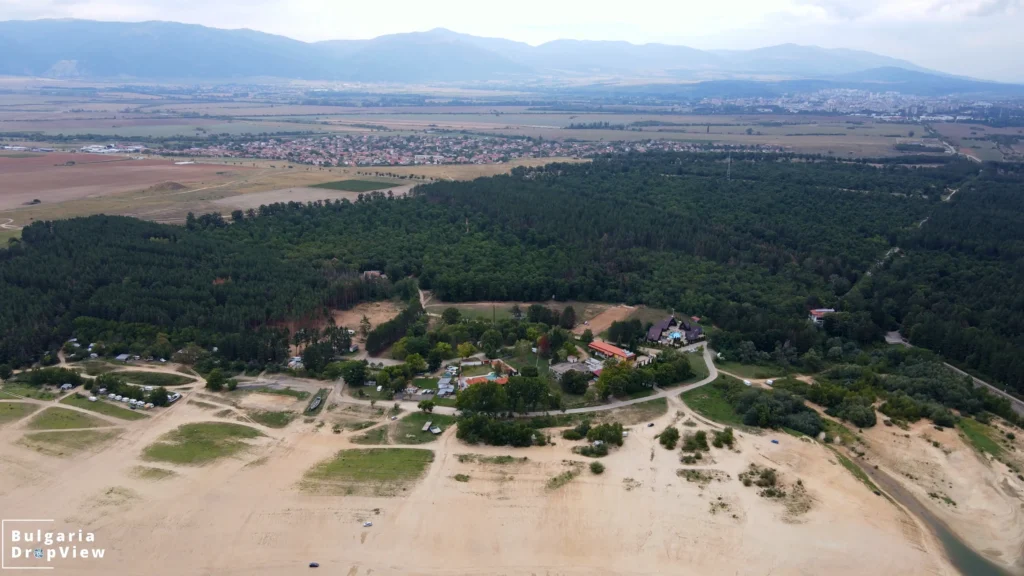
There are a few private cottages and buildings in the area, but there is a lack of well maintained restaurants and marked sanitary points. There are no formal eco-toilets around the main stops. | ★★★☆☆ |
| Price 💰 |
Access is free for visitors. A ticket is required for recreational fishing. | ★★★★★ |
✅ Conclusion
Koprinka Dam is not just a place for fishing and walking – it is a memory sealed in water. The history of Seutopol reminds us how fragile cultural heritage is when confronted with the needs of modernity. Yet, even submerged, the city of Seuthes remains alive – in sketches, reconstructions and the imagination of anyone who looks into the depths. You won’t see ruins here, but you will feel something else – the silence of what was lost and the majesty of what was.
If you like the content we share, don’t forget to subscribe to the channel and support the project “Bulgaria one click away!”. Thanks to everyone who shares and spreads the beauty of our homeland!